







In today’s digital world, cybersecurity is no longer optional—it’s essential. From personal data to business systems, everything is connected to the internet, making it a target for cybercriminals. In 2026, cyber threats are becoming more advanced, smarter, and harder to detect.
1. Phishing Attacks
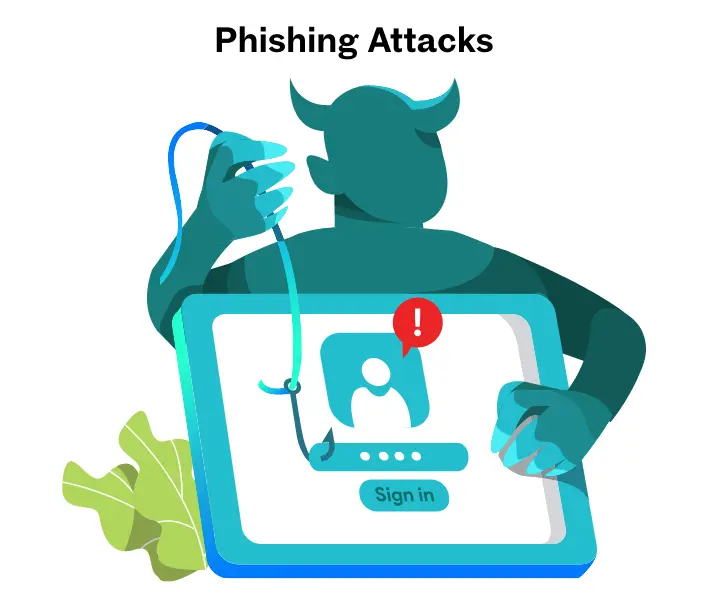
Phishing is one of the most common cyber attacks where hackers trick users into sharing sensitive information like passwords or bank details.
How it works:
- Fake emails or messages appear to be from trusted sources
- Links redirect to fake websites
- Users unknowingly enter their personal data
How to stay safe:
- Always check the sender’s email address
- Avoid clicking suspicious links
- Use spam filters and email security tools
2. Malware & Ransomware
Malware is harmful software that can damage your system, while ransomware locks your files and demands payment.
Common sources:
- Downloading files from untrusted websites
- Email attachments
- Pirated software
Protection tips:
- Install trusted antivirus software
- Keep your system updated
- Avoid downloading unknown files
3. Weak Passwords
Using simple passwords like “123456” or “password” makes it easy for hackers to break into your accounts.
Best practices:
- Use strong and unique passwords
- Enable Two-Factor Authentication (2FA)
- Use a password manager
4. Public Wi-Fi Risks
Public Wi-Fi networks are not secure and can be used by hackers to steal your data.
Stay protected:
- Avoid logging into sensitive accounts on public Wi-Fi
- Use a VPN for secure browsing
- Turn off automatic Wi-Fi connections
5. AI-Based Cyber Attacks
In 2026, hackers are using Artificial Intelligence to create more advanced attacks like deepfake scams and automated hacking tools.
What you can do:
- Stay updated with latest cybersecurity trends
- Verify information before trusting it
- Use advanced security tools

Post a comment